
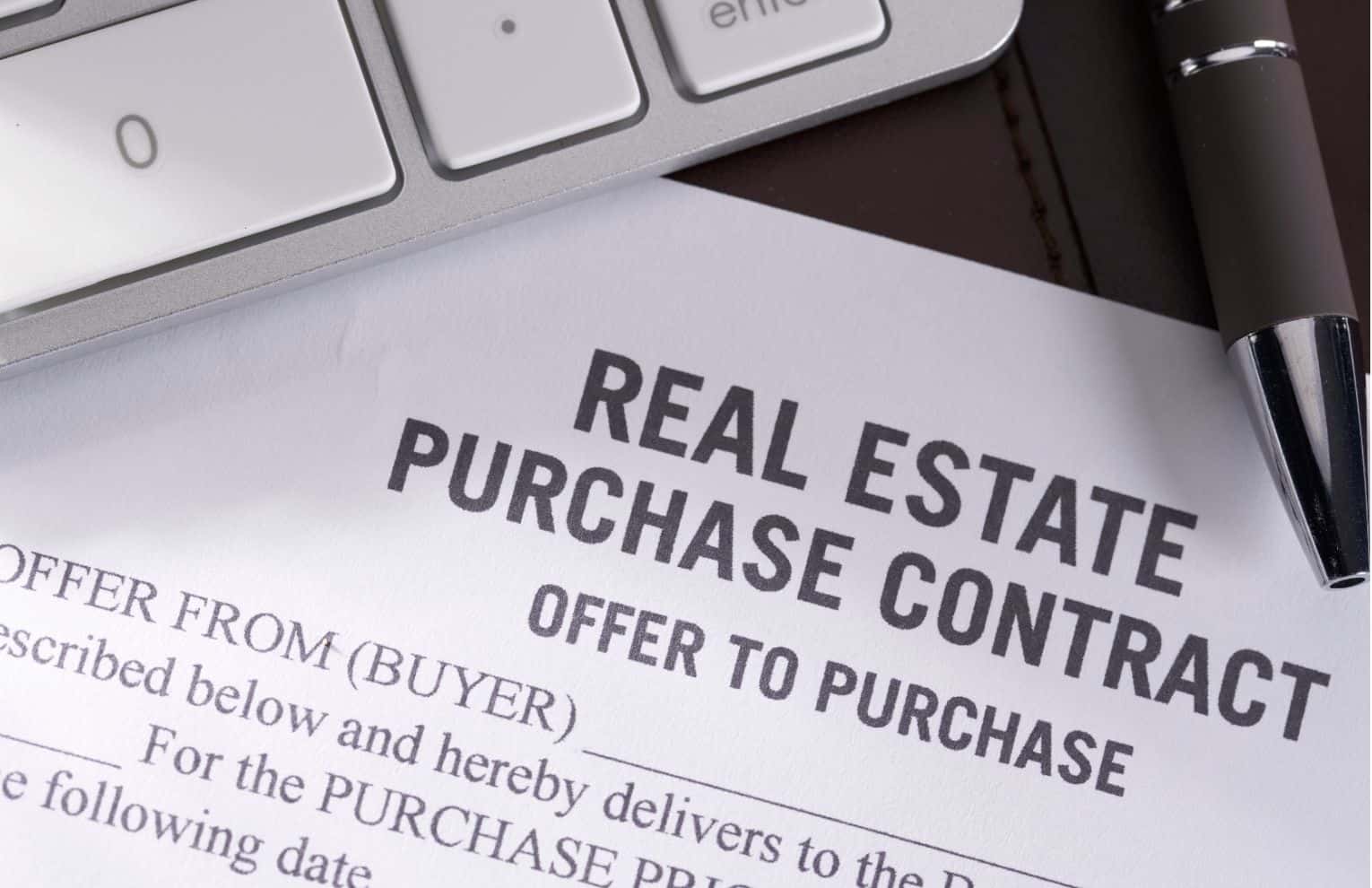
 Getting an offer on your home is exciting, but the highest offer isn't always the strongest one.
Before accepting, it's important to look at the entire offer, including the price, financing, contingencies, closing date, and other terms. The right offer is the one that best fits your goals and provides a clear path toward closing.
Look Beyond the Price
A higher offer may come with conditions that create additional uncertainty. A slightly lower offer with stronger financing, fewer contingencies, or a closing date that works better for you may ultimately be more appealing.
Understand the Contingencies
Pay close attention to contingencies such as financing, inspection, appraisal, or the sale of the buyer's current home. These conditions can affect both the timeline and the likelihood of reaching closing.
Consider the Closing Date
The proposed closing date can make a big difference, especially if you're coordinating the purchase of another home or planning a move. Make sure the timeline works for your plans.
Review Concessions and Requests
Buyers may ask for closing-cost assistance, repairs, or other concessions. Consider the financial impact of these requests when evaluating the offer as a whole.
Take Time to Review
You don't have to decide based on one number alone. Review the complete offer with your real estate professional and ask questions about anything you're unsure about.
The best offer isn't necessarily the one with the biggest price tag. It's the one that makes the most sense for your goals, timeline, and overall selling strategy.