







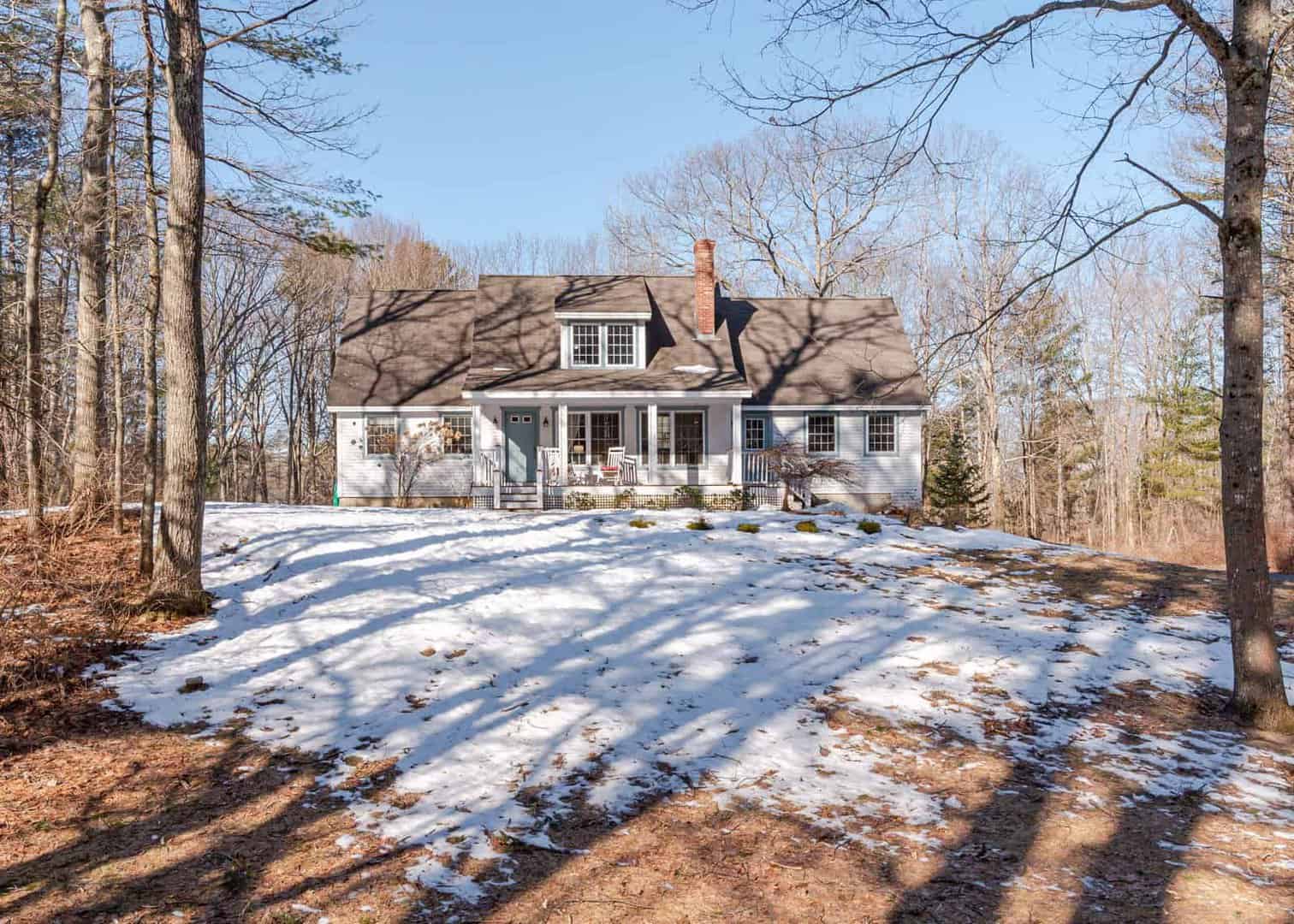
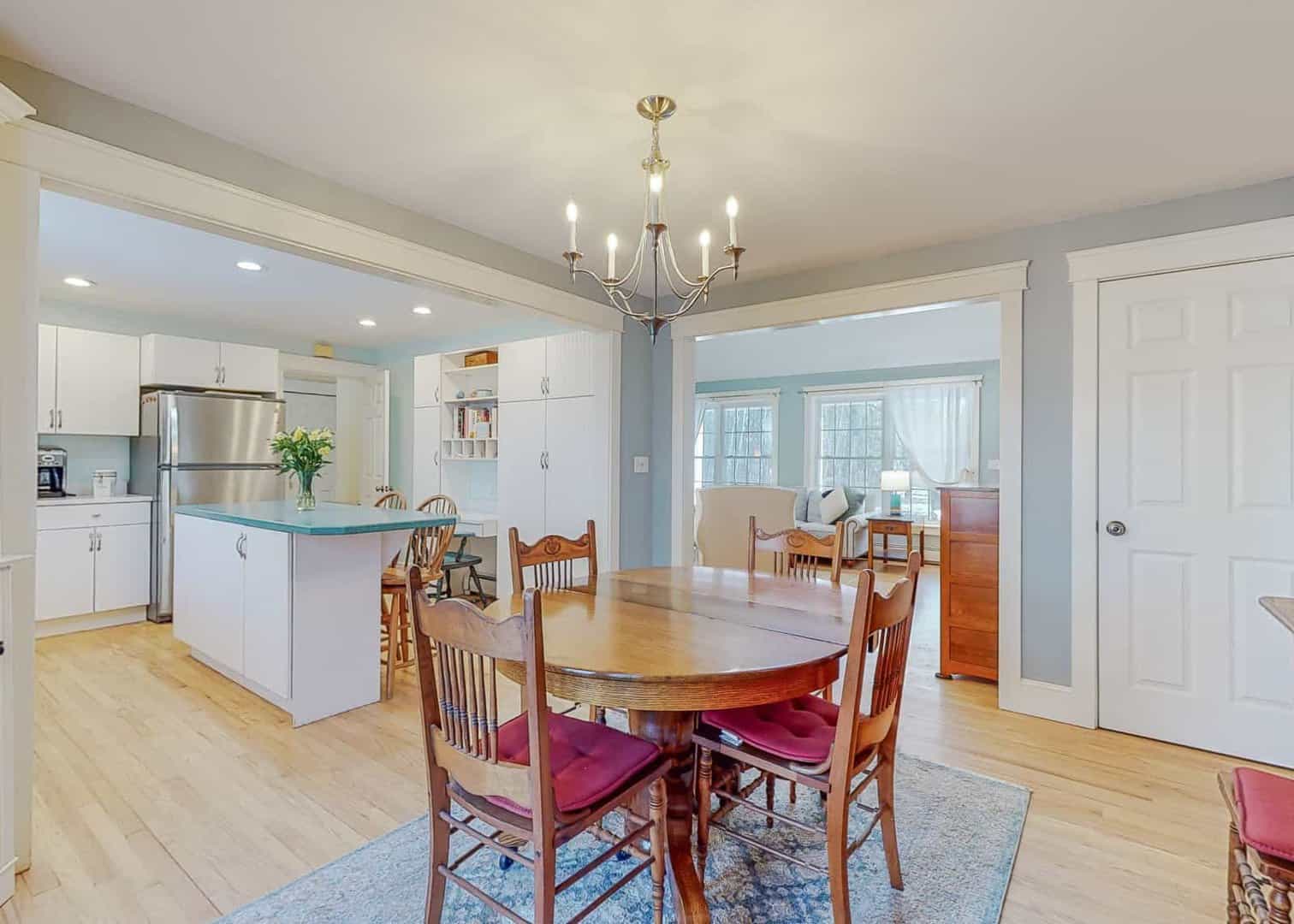
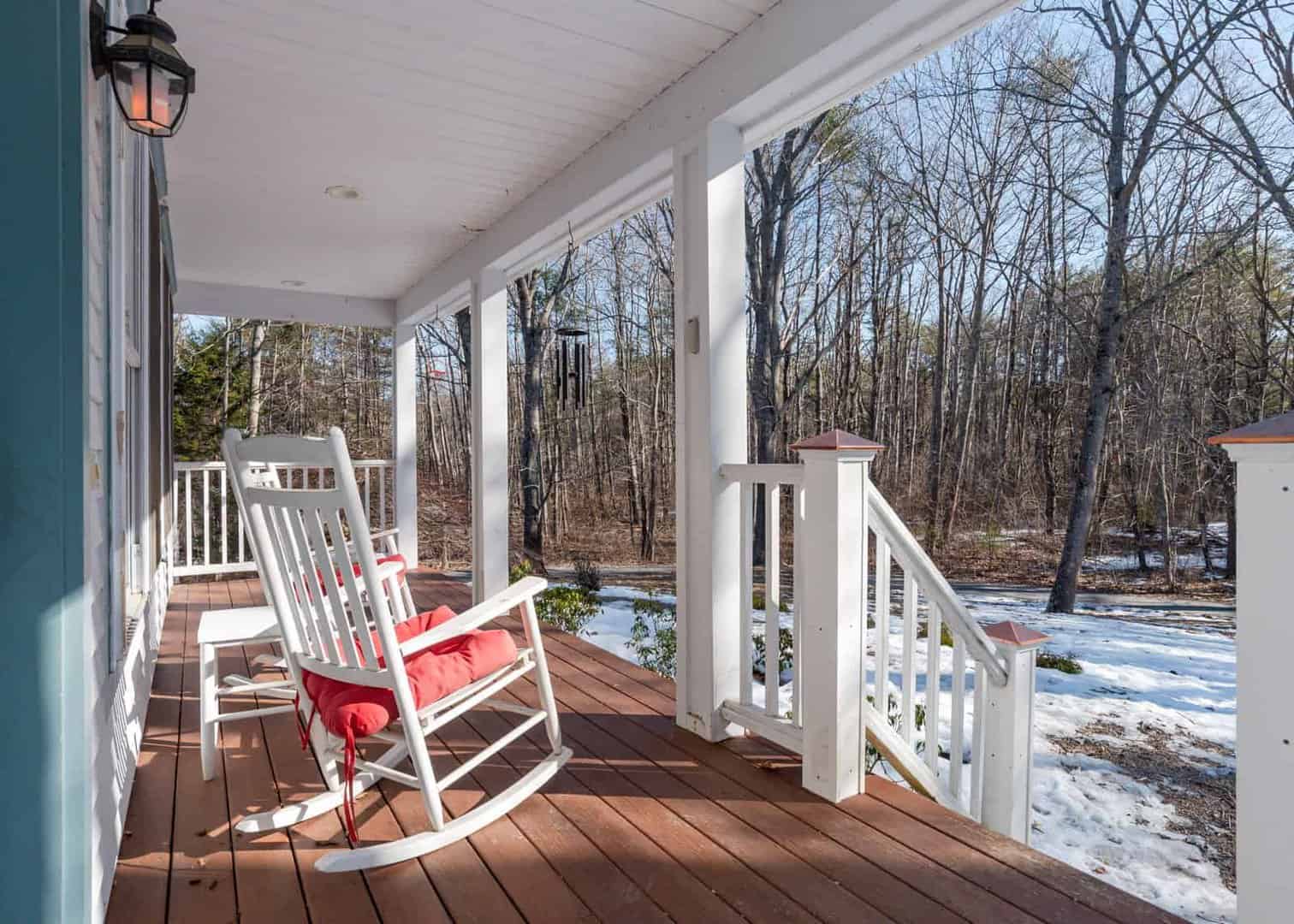
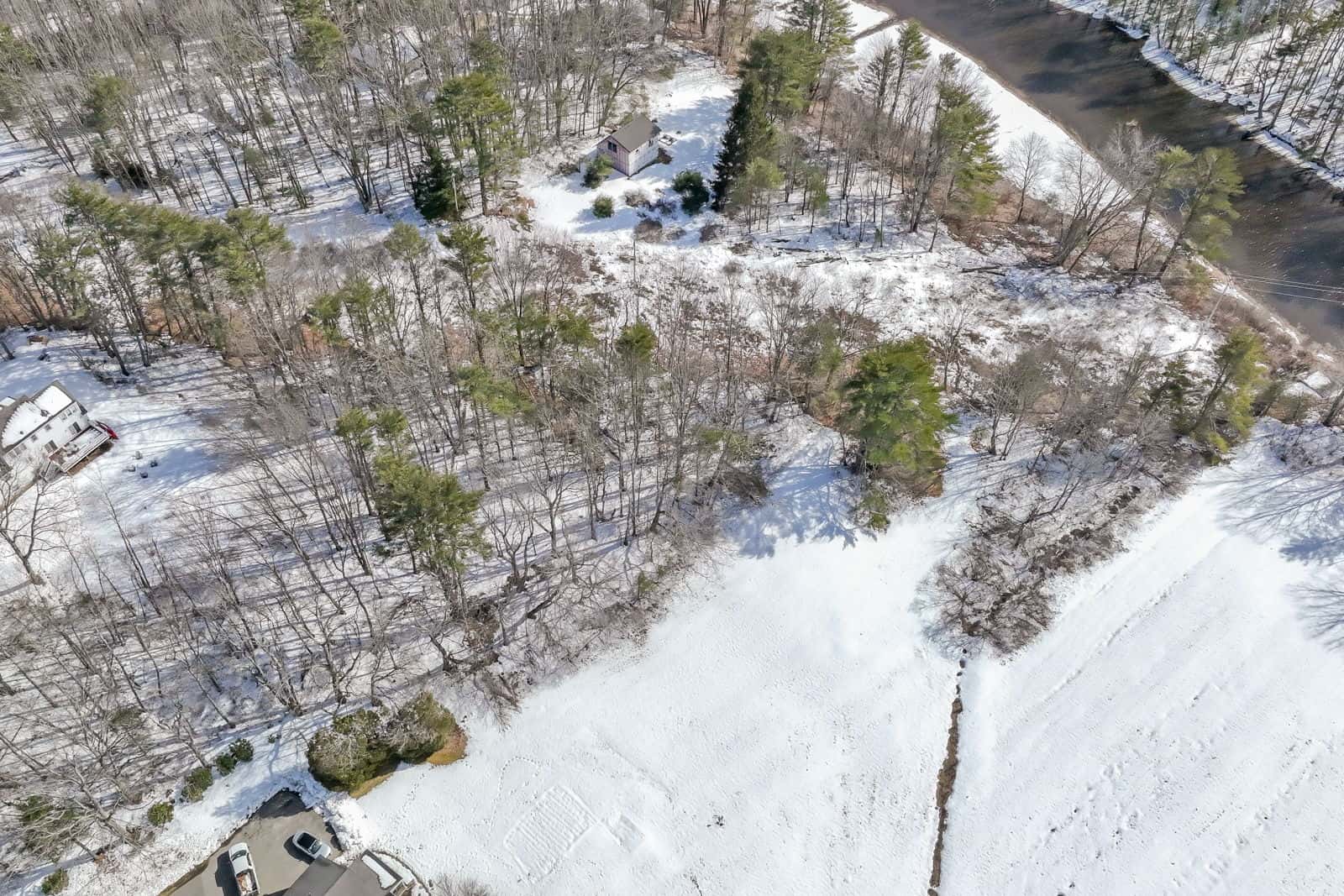
 When people think about increasing their home's value, they often focus on kitchen remodels, bathroom updates, or fresh paint. While those improvements certainly help, there's another investment that can make a lasting impact before anyone even walks through the front door: thoughtful landscaping.
A well-designed landscape creates a welcoming first impression, boosts curb appeal, and can even increase the value of your property. One of the smartest ways to enhance your outdoor space is by incorporating native plants into your garden.
Why Landscaping Matters
Landscaping is much more than aesthetics. A healthy, well-maintained yard can make your home feel more inviting and create outdoor spaces where family and friends naturally gather. For homeowners considering selling in the future, attractive landscaping can help a property stand out in a competitive market.
Studies have shown that quality landscaping can positively influence a buyer's perception of a home, making it appear more cared for and move-in ready. Even small improvements, such as fresh mulch, colorful flower beds, and neatly maintained shrubs, can leave a lasting impression.
The Benefits of Native Plants
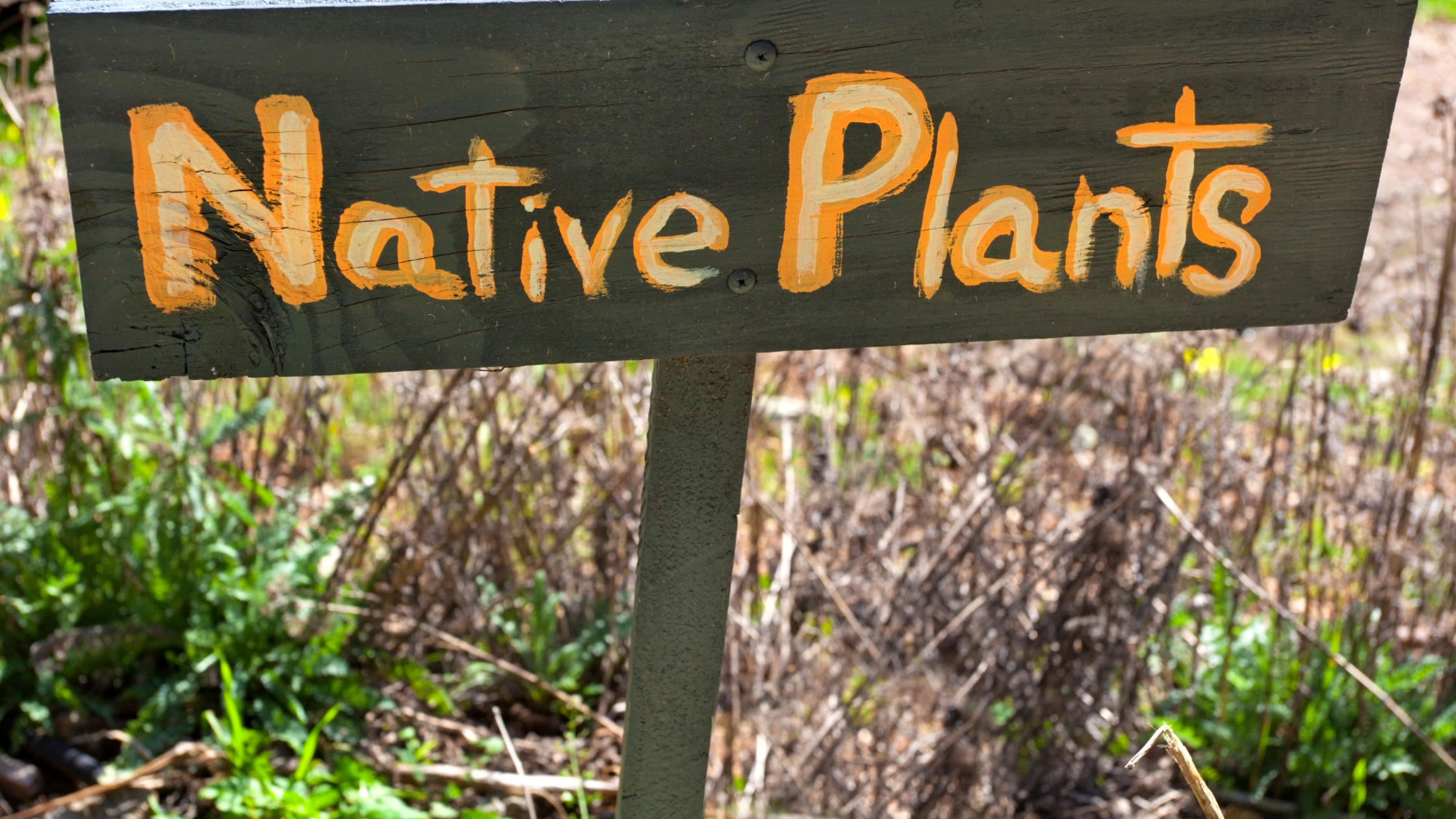
Native plants are species that naturally grow in your region and have adapted to the local climate, soil, and wildlife. Because they're already suited to the environment, they offer several advantages over non-native varieties.
Lower Maintenance
Native plants typically require less watering, fertilizing, and pruning once established. That means less time spent maintaining your yard and lower long-term landscaping costs.
Better for the Environment
These plants provide food and habitat for local birds, butterflies, bees, and other pollinators that play an essential role in maintaining healthy ecosystems. By planting native species, you're helping support biodiversity right in your own backyard.
More Resilient
Because they're adapted to local weather conditions, native plants often tolerate drought, heavy rainfall, temperature swings, and seasonal changes better than many imported plants.
Water Conservation
Native gardens generally require significantly less irrigation once established, helping homeowners reduce water usage while maintaining beautiful landscapes throughout the growing season.
Native Plants That Thrive in Maine
If you live in Maine, there are many beautiful native plants to consider adding to your landscape:
- New England Aster
- Black-Eyed Susan
- Wild Columbine
- Joe-Pye Weed
- Blue Flag Iris
- Winterberry Holly
- Highbush Blueberry
- Sweet Fern
- Eastern Red Columbine
- Bee Balm
These plants provide vibrant color throughout the seasons while attracting beneficial pollinators and supporting local wildlife.
Landscaping Adds Lifestyle Value
A thoughtfully landscaped yard isn't just about resale value. It creates spaces where you can relax with a morning coffee, entertain friends on summer evenings, or simply enjoy nature without leaving home.
Native gardens also tend to evolve beautifully over time, offering seasonal blooms, changing textures, and year-round interest with less effort than traditional landscapes.
Small Changes Can Make a Big Difference
You don't need a complete landscape overhaul to see results. Consider starting with a few simple improvements:
- Replace part of your lawn with native flower beds.
- Add mulch around trees and shrubs.
- Plant pollinator-friendly flowers near walkways.
- Create a small rain garden to manage runoff.
- Incorporate native shrubs for natural privacy and year-round beauty.
Every step contributes to a healthier, more attractive outdoor space.
Final Thoughts
Landscaping is one of the few home improvements that benefits you every day while also adding long-term value to your property. By choosing native plants, you'll create a landscape that's beautiful, environmentally friendly, easier to maintain, and well-suited to Maine's climate.
Whether you're planning to sell your home in the near future or simply want to enjoy your outdoor space more, investing in native landscaping is a decision that pays dividends for years to come.
.jpg)