







Pollinators play a vital role in our environment. Bees, butterflies, hummingbirds, moths, and other pollinating species help plants reproduce by transferring pollen from one flower to another. In fact, many of the fruits, vegetables, and flowers we enjoy every day depend on pollinators for their growth and survival. Unfortunately, pollinator populations have been declining due to habitat loss, pesticide use, and climate change.
One of the easiest and most impactful ways to support pollinators is by planting trees and pollinator-friendly plants. Whether you have a large backyard, a small garden, or even a few containers on a balcony, you can create a welcoming habitat that benefits both wildlife and your local ecosystem.
Why Pollinators Matter
Pollinators are essential to maintaining healthy ecosystems. They contribute to biodiversity, support food production, and help sustain natural habitats. Without pollinators, many plants would struggle to reproduce, affecting wildlife that relies on those plants for food and shelter.
The Benefits of Planting Trees
Trees provide much more than shade and beauty. Many flowering trees offer nectar and pollen that serve as important food sources for pollinators. Trees also provide shelter, nesting sites, and protection from harsh weather conditions.
Some excellent trees for pollinators include:
- Flowering Dogwood
- Redbud
- Crabapple
- Magnolia
- Linden (Basswood)
- Fruit trees such as Apple, Cherry, and Plum
By planting a variety of native trees, you can provide pollinators with food throughout different seasons.
Choosing Pollinator-Friendly Plants
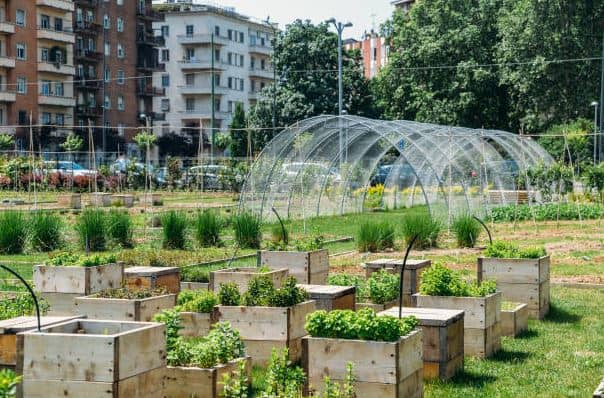
When selecting plants, focus on native species whenever possible. Native plants are adapted to local conditions and often provide the best resources for native pollinators.
Popular pollinator-friendly plants include:
- Coneflowers
- Black-Eyed Susans
- Milkweed
- Bee Balm
- Lavender
- Sunflowers
- Goldenrod
- Asters
Choose plants with different bloom times to ensure pollinators have access to nectar and pollen from spring through fall.
Tips for Creating a Pollinator Garden
1. Plant in Groups
Clusters of the same flowers make it easier for pollinators to find food sources.
2. Avoid Pesticides
Many pesticides can harm beneficial insects. Consider natural alternatives to protect your garden.
3. Provide Water
A shallow water source with stones for landing can help pollinators stay hydrated.
4. Include Native Plants
Native species often provide the highest nutritional value for local pollinators.
5. Create Shelter
Leave some natural areas with leaf litter, logs, or shrubs where pollinators can nest and rest.
Small Actions, Big Impact
Every tree planted and every flower added to a garden can make a difference. By creating pollinator-friendly spaces, homeowners, schools, businesses, and communities can help support declining pollinator populations while enjoying more vibrant landscapes.
Planting for pollinators is more than just gardening—it's an investment in the health of our environment and future generations. Together, we can create habitats that allow pollinators to thrive and continue their essential work in nature.
.jpg)