




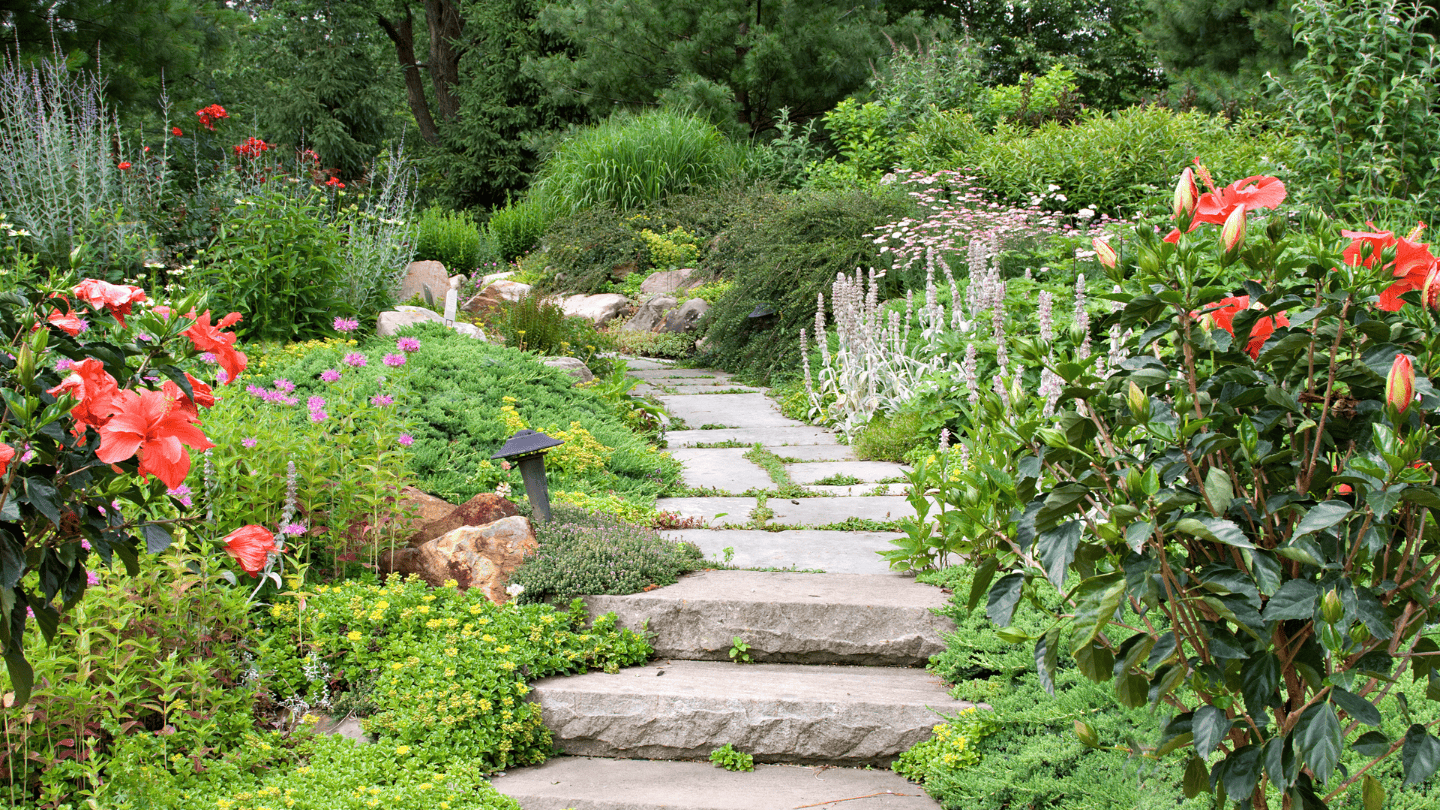
Pollinator-friendly landscaping is becoming more popular among homeowners, not just for aesthetics, but because it helps support bees, butterflies, birds, and other pollinators that are essential to plant growth and food production.
According to environmental experts, pollinators help reproduce many flowering plants, fruits, and vegetables. However, habitat loss and pesticide use have contributed to declining pollinator populations in many areas. Because of this, homeowners are now finding simple ways to make their outdoor spaces more supportive of local ecosystems.
Use Native Plants
Native flowers and shrubs are adapted to the local climate, making them easier to maintain and more attractive to local pollinators. Plants like milkweed, lavender, and coneflowers are commonly recommended because they provide nectar and pollen.
Add Plants That Bloom in Different Seasons
Having flowers that bloom throughout spring, summer, and fall helps provide a steady food source for pollinators year-round.
Limit Pesticide Use
Many pesticides can unintentionally harm bees and butterflies. Using natural pest-control methods or reducing chemical use can make gardens safer for beneficial insects.
Include Water Sources
Pollinators also need access to water. A shallow birdbath or small water dish with stones can provide a safe place for insects and birds to rest and hydrate.
Reduce Large Lawn Areas
Replacing portions of grass with flower beds, shrubs, or native gardens can increase biodiversity while reducing water and maintenance needs.
Aside from helping the environment, pollinator-friendly landscaping can also improve curb appeal and create a more inviting outdoor space for homeowners. Even small additions like a few flowering plants can make a noticeable difference.
The Takeaway
Small landscaping changes can make a big difference. By adding pollinator-friendly plants and reducing chemical use, homeowners can create outdoor spaces that are both beautiful and environmentally beneficial.
.jpg)