


.png)
When homeowners think about improving curb appeal, they often picture fresh mulch, trimmed hedges, and colorful flower beds. But one landscaping trend is standing out for more than just beauty: native plant gardening.
Native plants are species that naturally grow in your region and have adapted to the local climate, soil, and wildlife over time. More homeowners are choosing them not only for their low-maintenance appeal, but also because they can enhance property value, support the environment, and create stunning outdoor spaces that thrive year after year.
What Are Native Plants?
Native plants are flowers, shrubs, grasses, and trees that belong naturally in a specific area. Because they evolved in the local environment, they typically require less water, fewer chemicals, and less upkeep than non-native landscaping.
Examples include:
- Wildflowers
- Native grasses
- Pollinator-friendly plants
- Region-specific shrubs and trees
These gardens often feel more natural, colorful, and balanced throughout the seasons.
Why Homeowners Are Choosing Native Landscaping
Lower Maintenance
One of the biggest advantages of native plants is that they’re easier to maintain once established. Since they’re adapted to local weather conditions, they generally need:
- Less watering
- Fewer fertilizers
- Reduced pesticide use
- Less overall maintenance
For busy homeowners, that means a beautiful yard without constant upkeep.
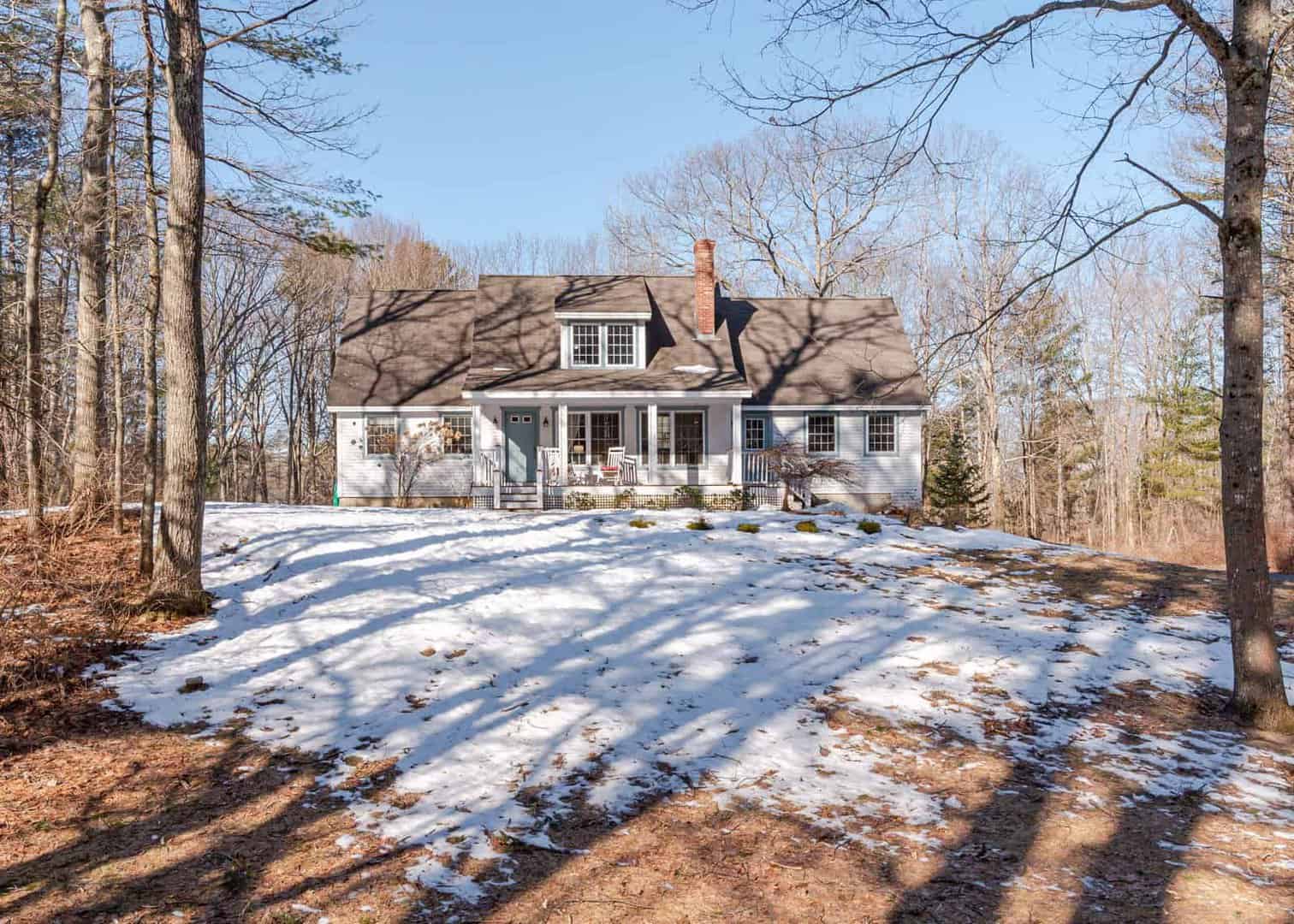
Improved Curb Appeal
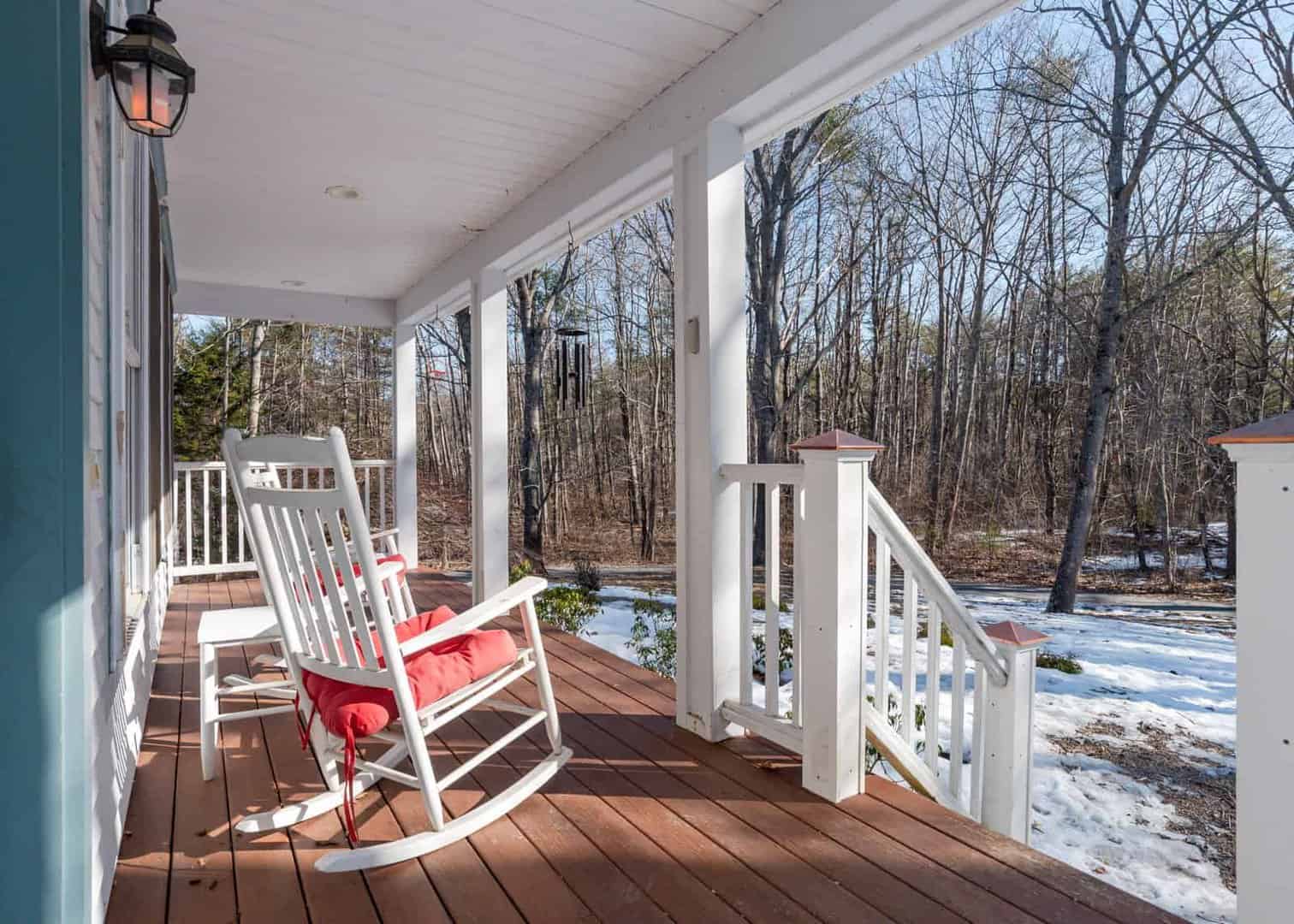
A thoughtfully designed native garden can dramatically improve the appearance of a property. Seasonal blooms, natural textures, and vibrant greenery create visual interest that stands out in the neighborhood.
Buyers are increasingly drawn to homes with outdoor spaces that feel welcoming, sustainable, and easy to care for.
Environmentally Friendly Living
Native gardens do more than look good. They also help support local ecosystems by:
- Providing food for pollinators like bees and butterflies
- Supporting birds and wildlife
- Helping reduce water consumption
- Improving soil health
- Reducing chemical runoff
As sustainability becomes more important to homeowners and buyers alike, eco-conscious landscaping can become a meaningful selling feature.
Can Native Landscaping Increase Home Value?
While every market is different, well-maintained landscaping has long been associated with stronger buyer interest and improved property value. Native landscaping adds another layer of appeal because it combines beauty with functionality.
Potential buyers may appreciate:
- Lower future maintenance costs
- Drought-resistant landscaping
- Reduced utility expenses
- A unique outdoor aesthetic
- Eco-friendly property features
A beautiful yard often creates a strong first impression, and first impressions matter in real estate.
Creating a Native Garden That Works
You don’t need to completely redesign your yard overnight. Many homeowners start small by:
- Replacing sections of grass with native flowers
- Adding pollinator gardens
- Using native shrubs along walkways
- Incorporating drought-tolerant plants
- Creating natural borders and outdoor gathering spaces
The key is thoughtful design and choosing plants appropriate for your local region.
A Growing Trend in Real Estate
Today’s buyers are looking beyond square footage and finishes. They’re also paying attention to lifestyle, sustainability, and long-term maintenance.
Native plant gardening reflects all three.
Whether you’re preparing to sell your home or simply want a more beautiful and functional outdoor space, investing in native landscaping can be a smart and rewarding choice.
Final Thoughts
A well-designed native garden offers more than curb appeal. It creates a healthier outdoor environment, reduces maintenance demands, and adds character to a property in a way that feels both timeless and modern.
In real estate, thoughtful improvements matter and sometimes the most valuable upgrades are the ones that naturally belong there.
.jpg)